

As the days get shorter and the heat comes on, many indoor cats settle into one long nap. Sunny windowsills go quiet, and the evening zoomies arrive less often.
Less movement plus the same amount of food can slowly add up on the scale. The good news is that a few small habits, a bit of play and steady portions go a long way. Here is a simple winter plan for a fit, happy cat.
Why a healthy weight matters
Extra weight is one of the most common health issues in indoor cats. Over time, it is linked to problems such as diabetes, arthritis and urinary issues, and it can make grooming harder for your cat.
Weight tends to creep up slowly, so it is easy to miss. A quick monthly check helps you notice changes early.
- Ribs: you should be able to feel them under a thin layer, with gentle pressure.
- Waist: looking down from above, there should be a slight inward curve behind the ribs.
- Belly: a small, soft pouch can be normal, but a round, heavy belly is a sign to talk with your vet.
Ask your vet to check your cat's weight and body condition at the next visit. They can tell you what an ideal weight looks like for your cat.
Keep portions steady and measured
Small extras add up fast for a cat. Measure meals with a measuring cup or a kitchen scale instead of eyeballing a scoop.
- Use the feeding guide on the food label as a starting point, then adjust with your vet.
- Keep treats to a small share of the day's food, about 10% of daily calories at most.
- Split the daily amount into two or more small meals instead of leaving a full bowl out all day.
- If several people feed the cat, agree on one plan so no one doubles up.
Never put a cat on a strict diet on your own. Cats that stop eating or lose weight too fast can develop serious liver problems, so any weight-loss plan should come from your vet.
Play in short, daily bursts
Cats are built for short, intense hunts, not long workouts. Two or three play sessions of 10 to 15 minutes a day can make a real difference.
Move a toy like prey: let it hide behind a chair, dart across the floor and pause. Finish each session with a catch, then offer a meal or a small treat. That follows the natural hunt, catch, eat, rest rhythm.
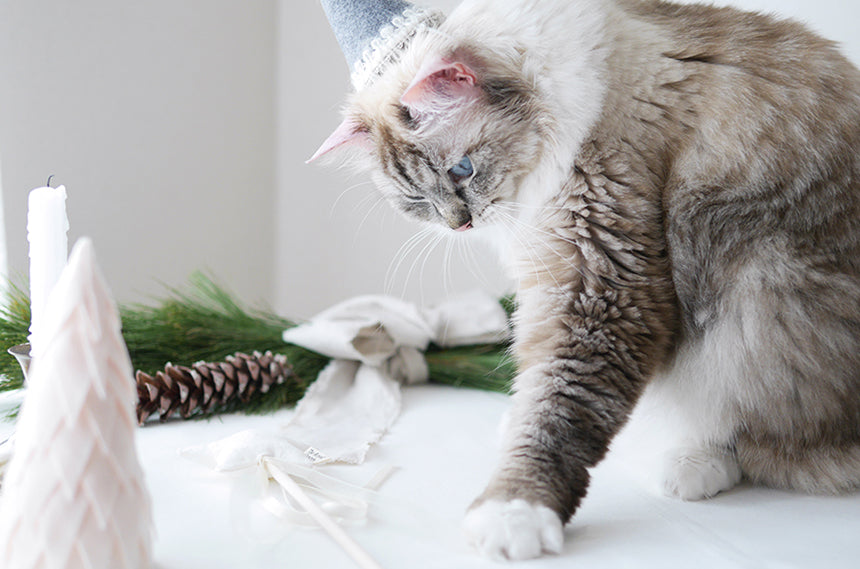
The Bonbon Wand . Ivory is made of linen and cotton on a birch wood stick. It moves lightly through the air, which invites jumping, stalking and pouncing. Put wand toys away after play, since cats should not chew on the string unsupervised.
Give solo play a reason to happen
Your cat moves more when there is something worth chasing while you are at work. Rotate a few small toys each week so they still feel new.
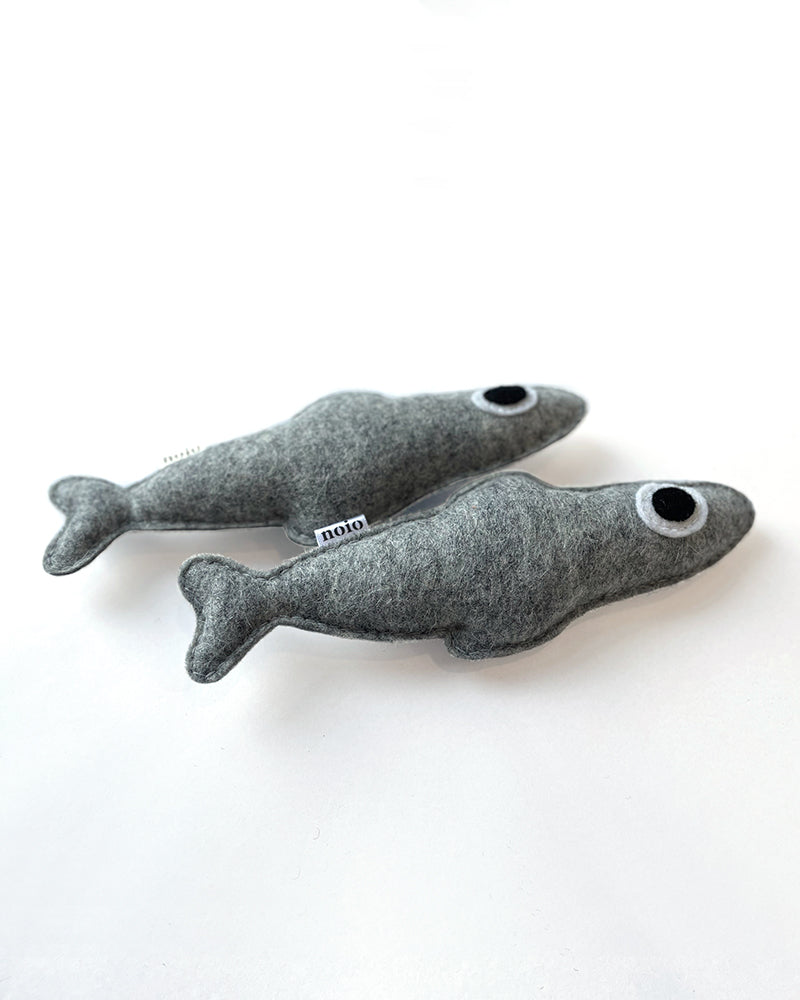
The Anchovy Wool Catnip Cat Toy in Cloud Gray is made of 100% natural wool felt with natural catnip inside. The scent stays active for around 10 minutes of play. Store it back in its bag between sessions to refresh the aroma. Not every cat reacts to catnip, so watch what your cat enjoys.
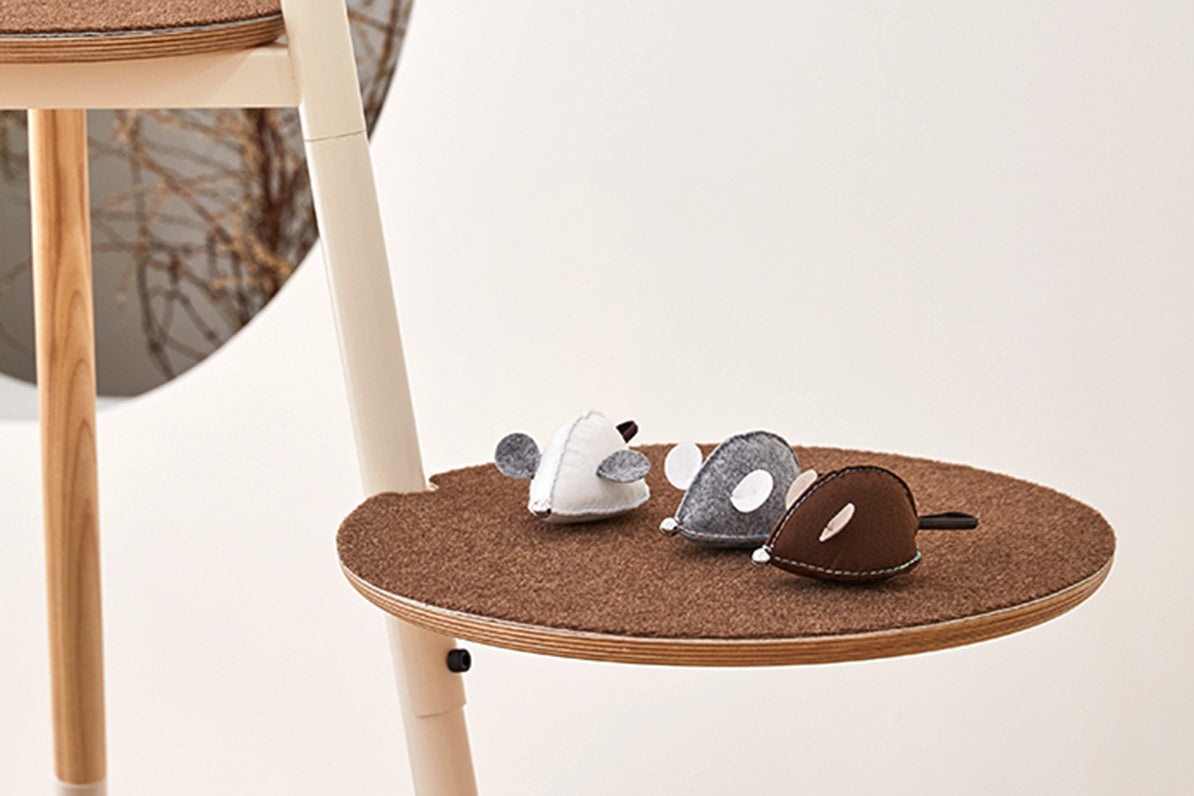
For batting games, the Illu Mouse Catnip Toy is made of felt and genuine leather with a small bell. It comes in white, gray and brown. Try tossing one down a hallway before dinner.
Make stretching part of the day
Scratching is more than a habit. It lets cats stretch their back and shoulders, mark their space and release stress. A good scratcher near a favorite nap spot invites a stretch every time your cat wakes up.
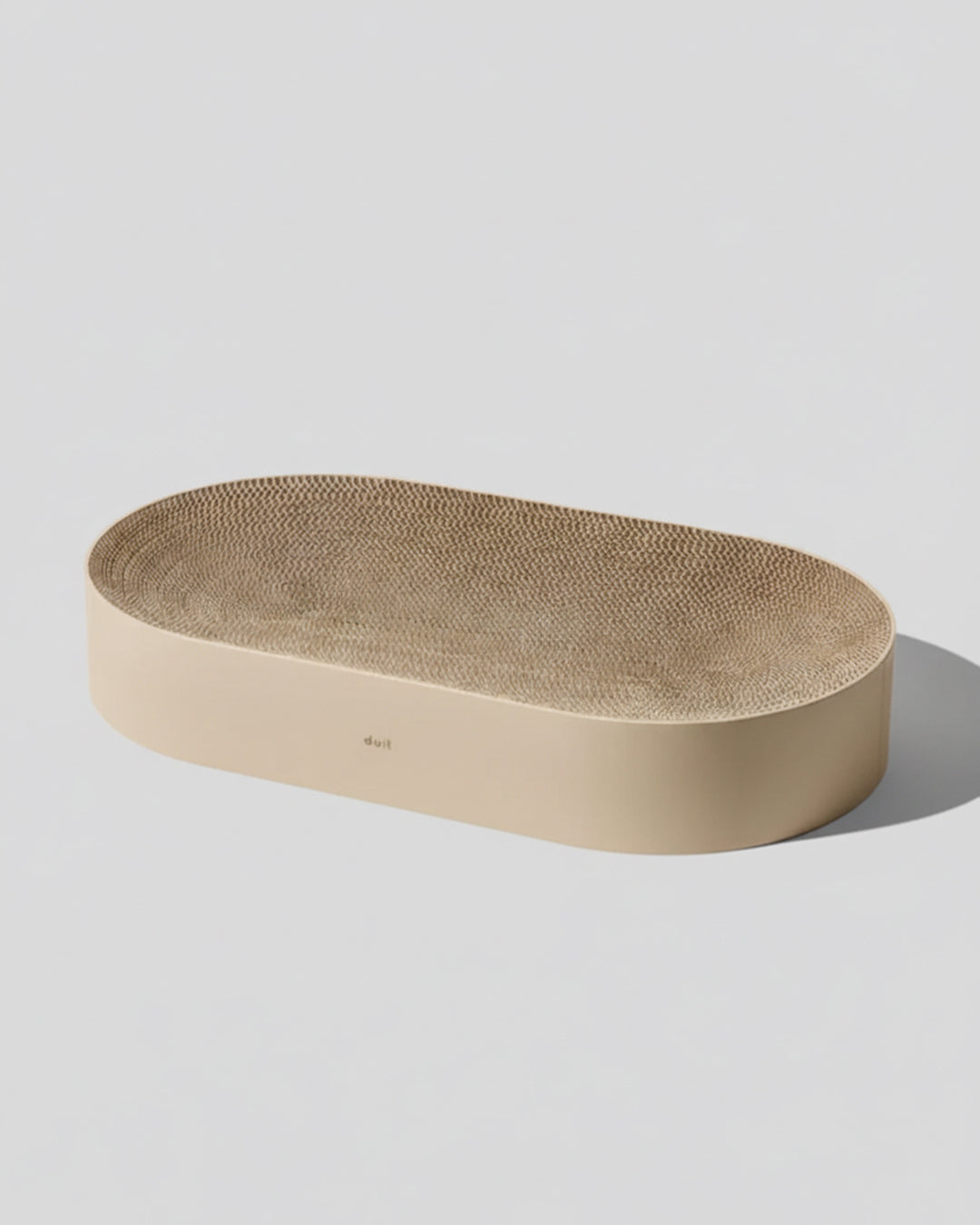
The All Day Cat Scratcher . Brown is made of non-toxic materials with a warm brown hard cover paper frame. Its spacious surface fits cats of most sizes, and non-slip bottom stickers keep it in place during active use. Many cats also use it as a lounging spot.
When to call your vet
Some weight changes are not about food or play. Call your vet if you notice any of these:
- Weight loss you cannot explain, or a sudden gain.
- Eating much more or much less than usual.
- Drinking or urinating more than usual.
- Reluctance to jump, play or use the litter box.
- Skipping meals for more than a day.
Senior cats and cats with health conditions benefit from a vet visit before you change their food or activity.
Shop the post
- All Day Cat Scratcher . Brown — $59
- Bonbon Wand . Ivory — $15
- Anchovy Wool Catnip Cat Toy (Cloud Gray) — $18
- Illu Mouse Catnip Toy — $8
Here is to a cozy, active winter with your cat. Enjoy free shipping on orders over $75 to the continental U.S.