

How much water should a dog drink? It is one of the most common questions dog owners ask, and winter makes it a little trickier. Cold walks, dry indoor heat and longer naps can all change how often your dog visits the water bowl.
The good news is that healthy hydration comes down to simple habits. Know a rough daily amount, keep water fresh and easy to reach, and notice when something changes. Here is a calm, practical guide for the colder months.
How Much Water Should a Dog Drink Each Day?
A widely used guideline is about 1 ounce of water per pound of body weight per day, according to PetMD. A 10-pound dog would drink roughly 10 ounces, a little over a cup.
Treat this as a starting point, not a strict target. Activity, diet, age and health all play a part. Dogs that eat wet food get some water from their meals, so they may drink less from the bowl. Never limit water unless your vet tells you to.
To learn your dog's normal, pour a measured amount into the bowl in the morning and check what is left at night for a few days. A baseline makes changes much easier to spot.
Why Do Dogs Drink Less Water in Winter?
Many dogs simply feel less thirsty when it is cold. Shorter walks and more time resting mean less panting, so they lose less water. Some dogs also avoid a bowl that sits by a cold, drafty door.
At the same time, heated indoor air is dry. Your dog still needs steady hydration every day. A small dip in drinking can be normal in winter, but a big or sudden change is worth a closer look.
Easy Ways to Help Your Dog Drink More
- Refresh water twice a day. Many dogs prefer fresh, clean water. Wash the bowl daily so no slimy film builds up.
- Serve it at room temperature. Keep the bowl away from cold doorways and drafty windows.
- Add a second water station. A bowl near your dog's favorite resting spot means fewer reasons to skip a drink.
- Offer water after walks and play. Bring a portable bowl on longer outings.
- Ask your vet about wet food. Mixing in some wet food can add water to your dog's day.
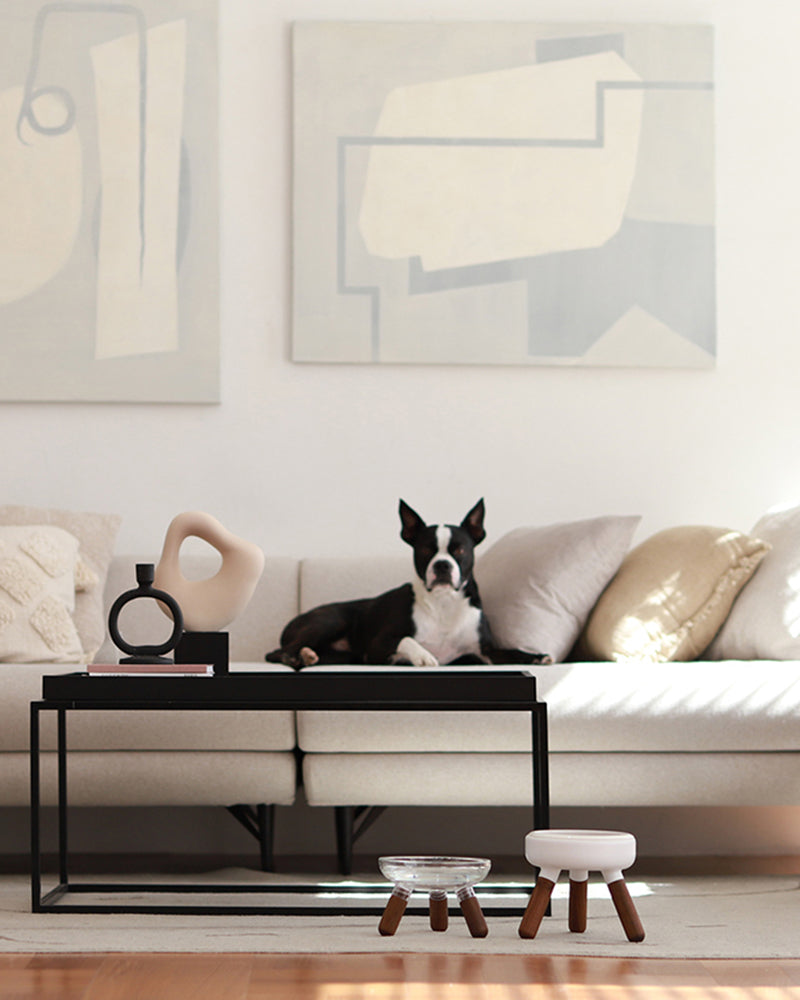
A raised bowl can make the water station more inviting. The Oreo Glass Elevated Pet Table in Walnut pairs a hand-blown, heat-resistant glass bowl with wooden legs. It raises the bowl toward chest height for small to medium dogs up to 35 lbs. The non-porous glass helps prevent rust and mold, and the removable bowl is dishwasher safe, so daily refreshing is easy.
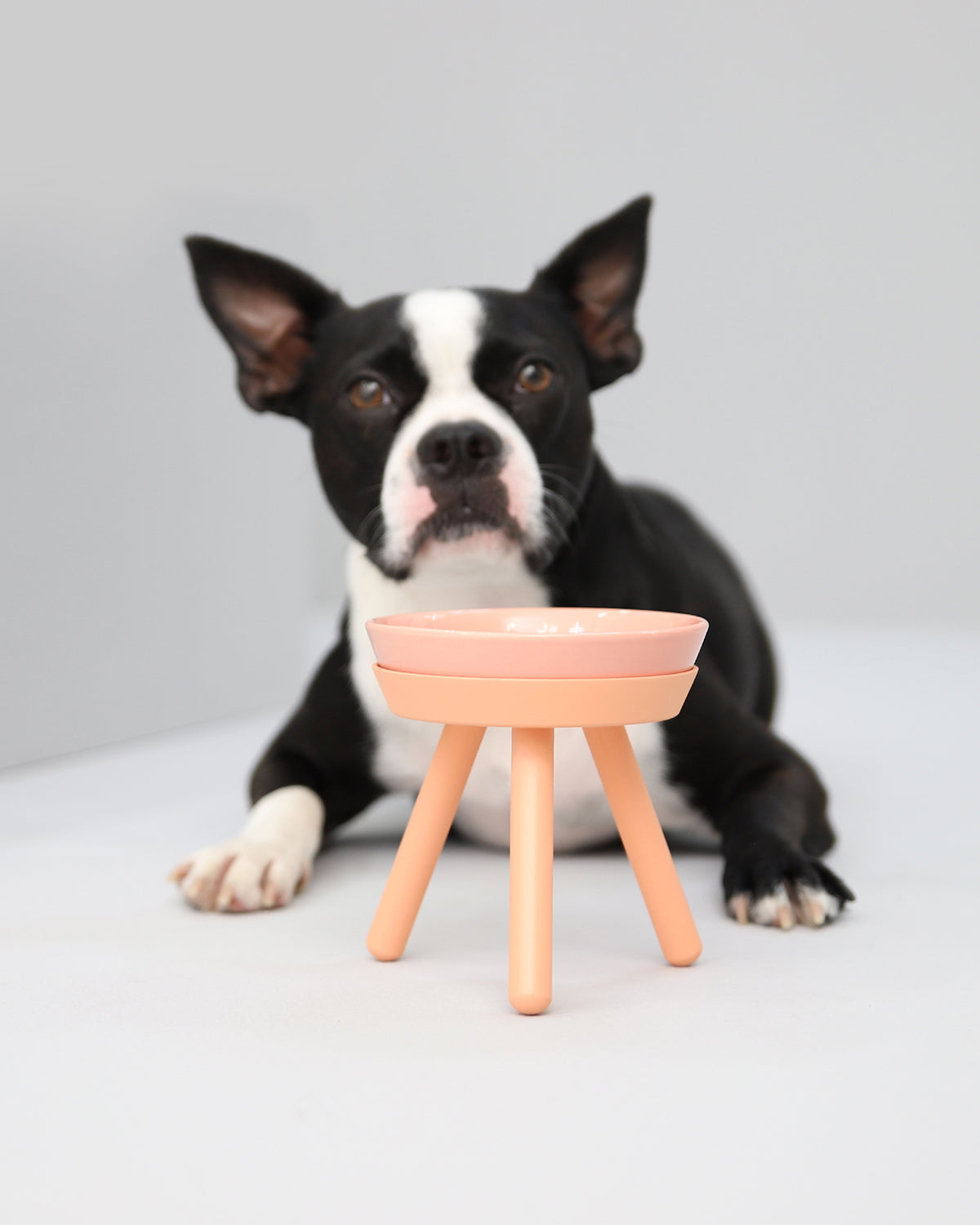
For toy and small breed dogs, the tall Oreo Elevated Pet Feeder Table in Pink sets a dishwasher-safe porcelain bowl on a curved steel frame. The bowl holds about 14 oz, a good size for a dedicated water spot.
Keep the Water Station Clean and Splash-Free
Some dogs drink with real enthusiasm. A mat under the bowl keeps floors dry and stops the bowl from sliding around, which can help a nervous drinker relax.
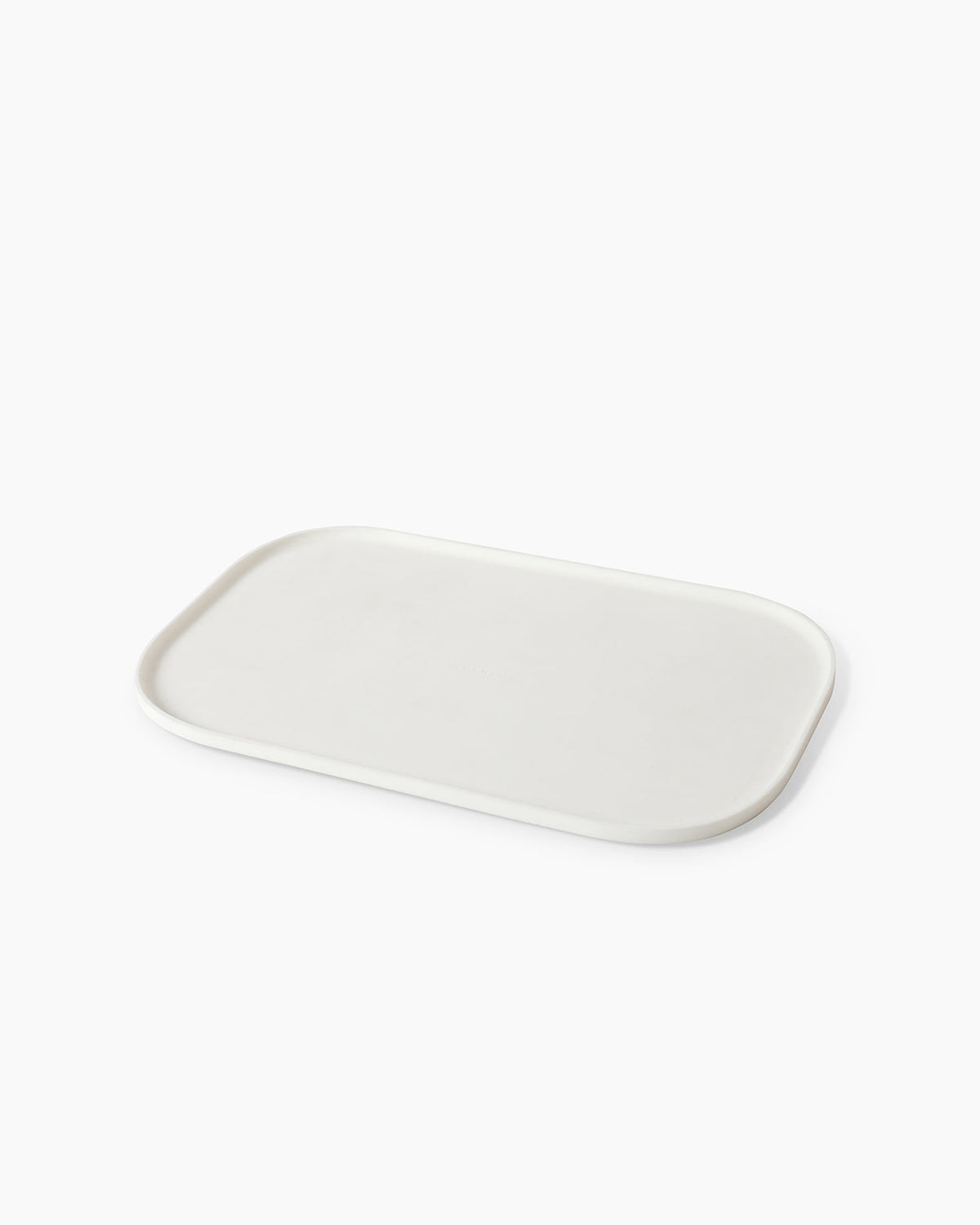
The Oreo Pet Mat in Off White is made from FDA tested and approved silicone, with raised edges and a non-slip texture. It measures 15.5" x 10" and wipes clean with a damp cloth.
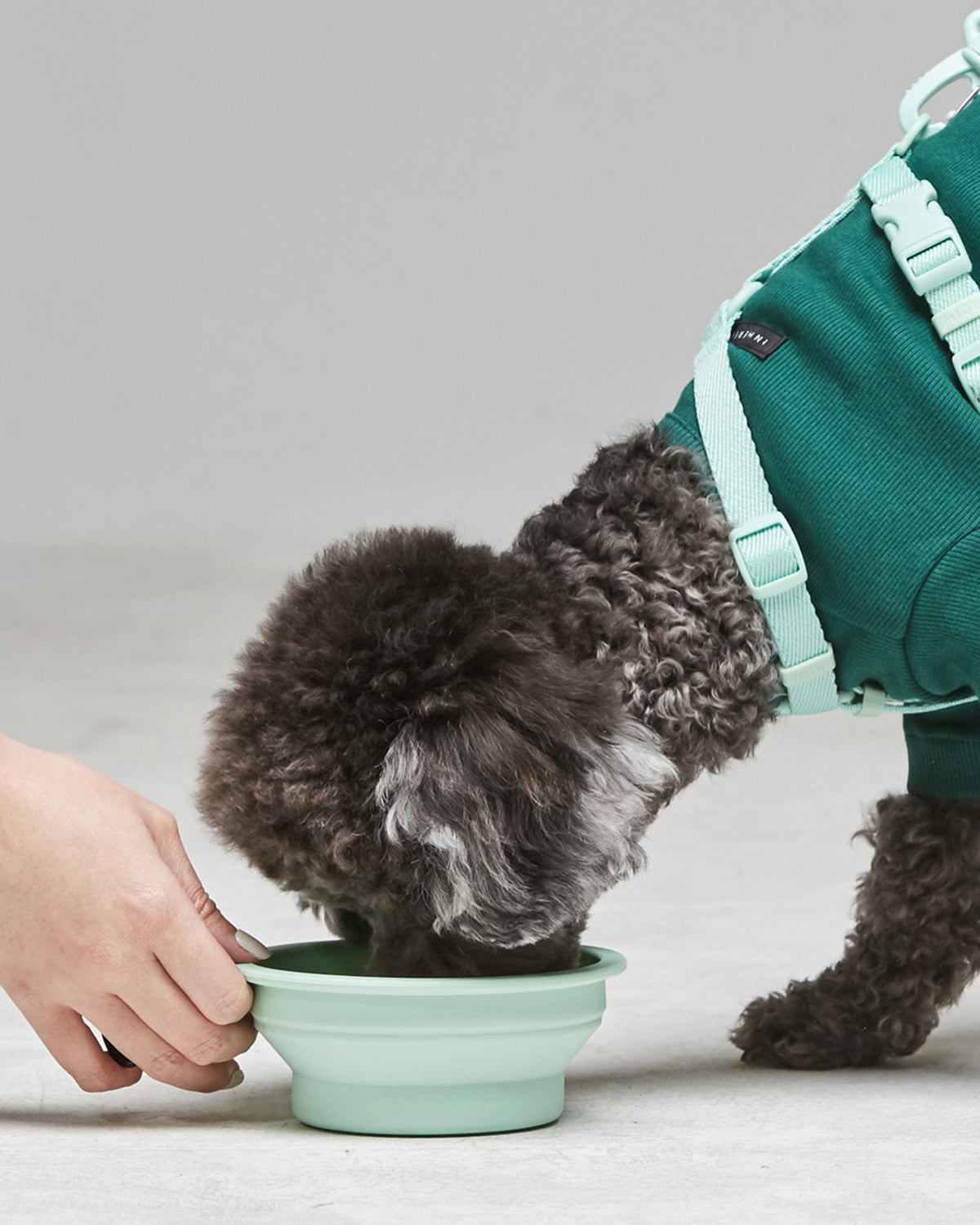
On longer winter walks, the Macaron Collapsible Bowl in Aqua folds into a slim disc and clips to a bag or leash with its carabiner. It holds up to 12 oz of water.
Signs of Dehydration and When to Call the Vet
Check in on these simple signs:
- Dry, sticky or pale gums
- Skin between the shoulder blades that is slow to settle back after a gentle lift
- A dry nose and mouth, or sunken-looking eyes
- Unusual tiredness or low energy
Call your vet if you notice signs of dehydration, if your dog stops drinking, or if a change in drinking comes with vomiting, diarrhea or low energy. Drinking or urinating much more than usual also deserves a call, since many health conditions can cause it and your vet may suggest an exam or tests.
Puppies, senior dogs and dogs with health conditions need extra attention. When in doubt, call. Your vet knows your dog's history and can tell you what is normal for them.
Shop the post
- Oreo Glass Elevated Pet Table . Walnut (Short or Tall) — $79
- Oreo Elevated Pet Feeder Table . Pink (Tall) — $59
- Oreo Pet Mat . Off White — $26
- Macaron Collapsible Bowl . Aqua — $15
Enjoy free shipping on orders over $75 to the continental U.S. on most items.