

Do cats sleep more in winter? If your cat seems to spend most of these short, gray days curled up in a ball, you are not imagining it. Many cats nap a little longer when the weather turns cold and the evenings come early.
Most of the time, that is perfectly normal. But sleep is also one of the first places a health change can show up. Here is how to tell a cozy winter routine from a sign that your cat needs a vet, plus a few simple ways to keep naps warm and waking hours active.
How Much Do Cats Sleep? What Is Normal
Cats are champion sleepers. Adult cats commonly sleep around 12 to 16 hours a day, and some sleep even more. Kittens and senior cats often rest the most.
Much of that sleep comes in short naps rather than one long stretch. Cats also tend to be most lively around dawn and dusk, which is why your cat may doze all afternoon and then race through the hallway at sunrise.
The key is your own cat's baseline. A cat who has always loved long naps is different from a cat who suddenly cannot be bothered to greet you at the door.
Why Cats Sleep More in Winter
Cats do not hibernate, but cold weather can nudge them toward rest. Staying curled up helps them conserve warmth and energy. Shorter days and less sunlight also mean fewer bright, interesting hours, and indoor cats often get a little less play when the household slows down for winter.
You may notice your cat following patches of sun across the floor or claiming the warmest spot in the house. That is a cat being sensible, not a cat being sick.

Set Up a Warm, Draft-Free Nap Spot
If your cat is going to sleep more, make that sleep comfortable. Choose a quiet spot away from drafty doors and windows, and off cold tile floors. Near a sunny window works well, as long as the glass is not leaking cold air.
Many cats feel safest in a bed with sides they can tuck into. The Baguette cat cushion has an adjustable drawstring, so it can be gathered into a cocoon-style hideaway or laid open as a lounge mat. It is made with soft boucle fabric and poly fill, and measures 27.5" x 23.5" laid flat.
Keep heaters and space heaters at a safe distance from any bed, and make sure your cat can always move away from a heat source if they get too warm.

Balance Rest With Short Daily Play
Extra sleep is fine. Extra stillness all day is where winter weight and boredom can creep in. Two or three short play sessions a day, even five to ten minutes each, help keep muscles moving and minds engaged.
Try playing around dusk, when many cats naturally wake up. Let your cat stalk, chase and pounce, then finish with a small meal or treat so the hunt feels complete.
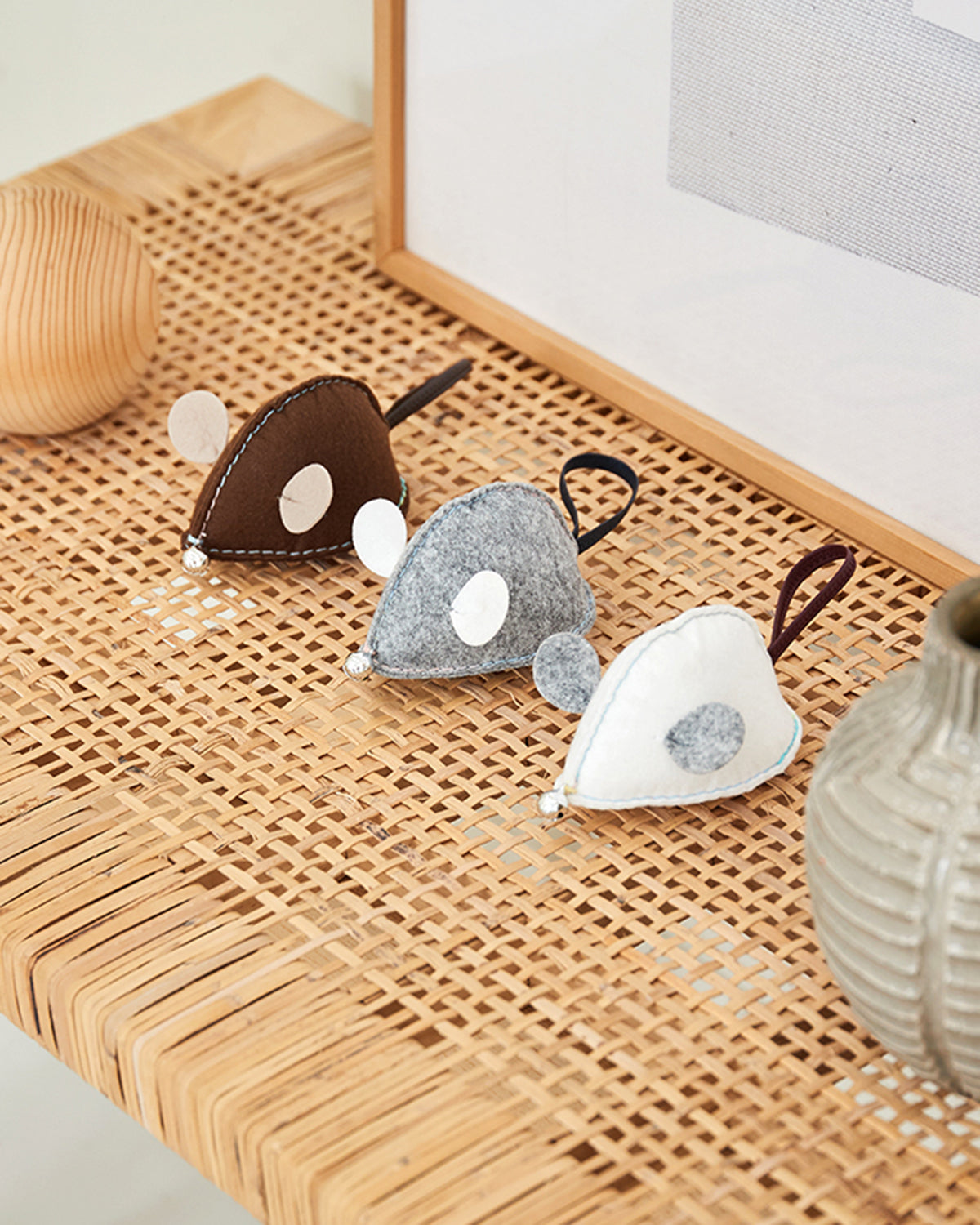
- The Illu Mouse Catnip Toy is handmade from soft felt with genuine leather details and a tiny bell, sized for batting across the floor. It comes in White, Gray and Brown.
- The Bonbon Wand in Ivory, made from linen, cotton and birch wood, moves lightly through the air for interactive play together.
- The All Day Cat Scratcher in Brown gives sleepy cats a good place for their first stretch after a nap, with a spacious cardboard surface and non-slip bottom.
Always supervise play with wand toys and put them away afterward, and replace any toy that becomes worn.

When Extra Sleep Means It Is Time to Call the Vet
Cats are good at hiding discomfort, so changes in sleep and energy deserve attention. Call your veterinarian if your cat's extra sleep comes with any of the following:
- A sudden change from their usual routine, or being hard to wake
- Eating or drinking noticeably less, or much more, than usual
- Hiding more than normal or seeming withdrawn
- Vomiting, diarrhea or changes in the litter box
- Limping, stiffness or reluctance to jump
- Weight loss or weight gain you can see or feel
Breathing trouble, collapse or straining in the litter box without producing urine are emergencies, so contact your vet or an emergency clinic right away. When in doubt, a quick call is always worth it. Your vet knows your cat's history and can tell you whether to watch, wait or come in.
Senior cats benefit from regular checkups, since some age-related changes start quietly. Keeping a simple note of how much your cat sleeps, eats and plays can make that visit more useful.
Shop the post
- Baguette cat cushion — $70
- Illu Mouse Catnip Toy (White, Gray, Brown) — $10
- All Day Cat Scratcher . Brown — $59
- Bonbon Wand . Ivory — $15
Enjoy free shipping on orders over $75 to the continental U.S. on most items.