

Cat toys are more than a cute extra. For an indoor cat, a little play every day is one of the simplest ways to support a healthy weight, a calm mood and good habits around the house. So how long should you play with your cat? Less than you might think, as long as you play often.
With Thanksgiving next week and busy holiday schedules ahead, routines can slip. Here is a simple play plan that fits into real life, plus the toys that make each session count.
How Long Should You Play With Your Cat Each Day?
Many vets suggest two or three short sessions a day, about 10 to 15 minutes each. Cats are built for short bursts of hunting, not long workouts, so several quick sessions usually work better than one long one.
Kittens and young cats often want more. Senior cats may prefer gentler, shorter games. Watch your cat rather than the clock: when they slow down, breathe harder or walk away, it is time to wind down.
Morning and evening are good times to play, since many cats are naturally most active around dawn and dusk. A session before bedtime can also help with late-night zoomies.
Why Daily Play Matters for Your Cat's Health
Indoor cats often move less in winter, and extra pounds can creep on quietly. Regular play burns energy, keeps muscles working and gives you a chance to notice how your cat moves.
Play also feeds the mind. Cats are hunters, and stalking, chasing and pouncing satisfy that instinct. Without an outlet, boredom can show up as scratching furniture, nighttime restlessness or attention-seeking.
A predictable routine can help during busy weeks, too. New guests, cooking smells and changed schedules can unsettle some cats, and a familiar daily game is one small thing that stays the same.
Choose Cat Toys That Match the Hunt
The best cat toys mimic prey. A simple mix of three types covers most cats:
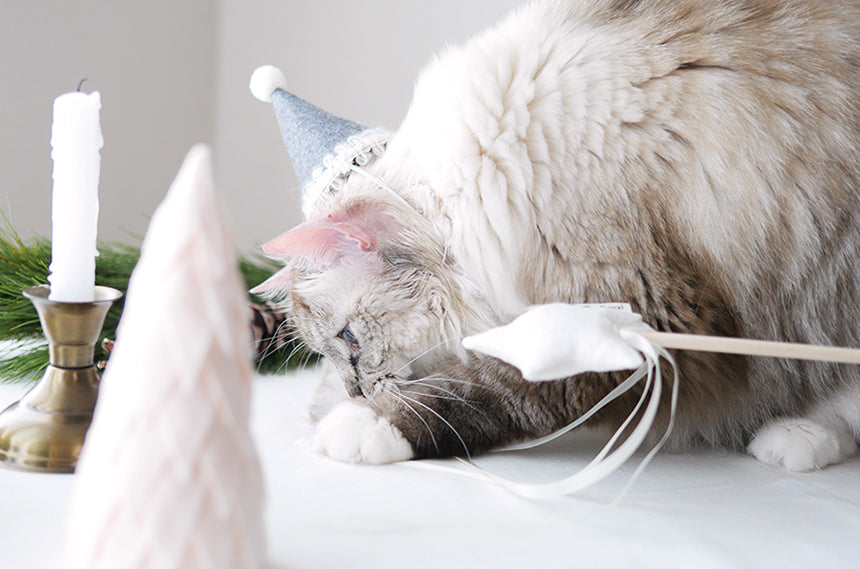
- A wand toy for play together. The Bonbon Wand . Ivory is handmade from linen, cotton and birch wood, and moves lightly through the air to invite pouncing.
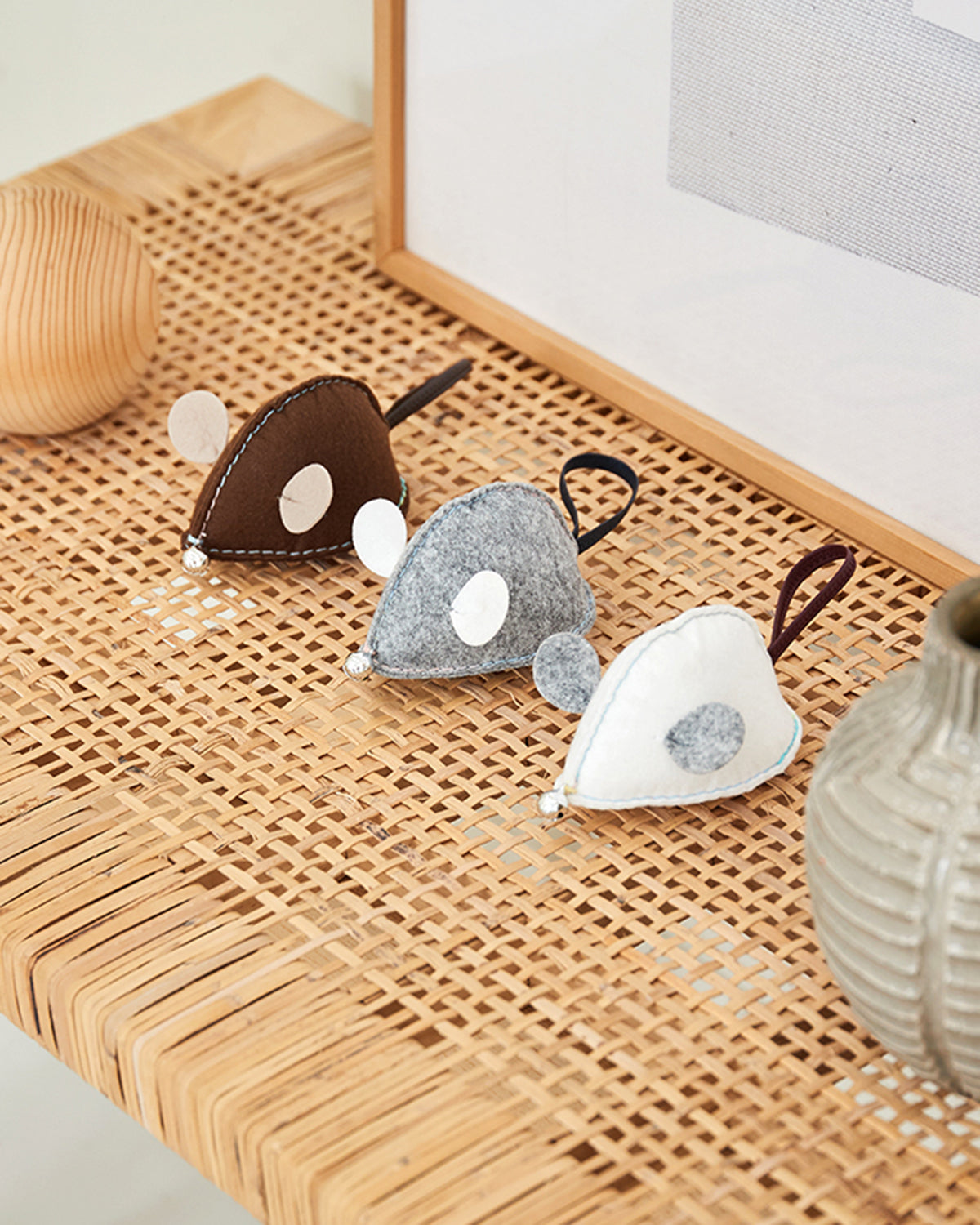
- Small toys to bat and carry. The Illu Mouse Catnip Toy is handmade in South Korea from soft felt with genuine leather details and a tiny bell. It comes in White, Gray and Brown.
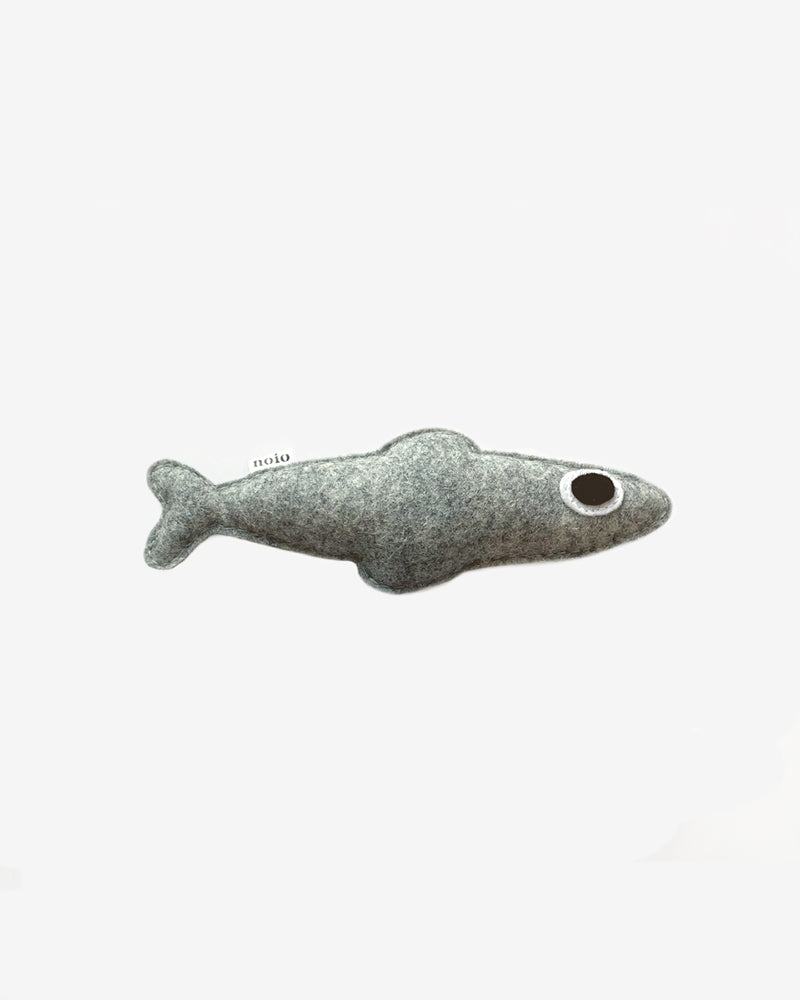
- A catnip toy to kick and bite. The Anchovy Wool Catnip Cat Toy in Cloud Gray is made of 100% natural wool felt with built-in catnip. Return it to its bag after play to refresh the scent.
Not every cat reacts to catnip, and many young kittens show little interest. That is normal. Rotate toys every few days so they feel new again.
A Simple Play Routine: Hunt, Catch, Eat, Rest
Cats naturally follow a cycle: hunt, catch, eat, groom and sleep. A play session that follows the same rhythm tends to leave them relaxed and satisfied.
- Start slow. Move the wand toy away from your cat, along the floor or around a corner, the way small prey would.
- Let them win. Allow a real catch every few pounces so the game stays rewarding, not frustrating.
- Wind down. Slow the movements for the last few minutes so energy drops gradually.
- End with food. Offer a meal or a small treat taken from their daily portion. Most cats then groom and settle in for a nap.
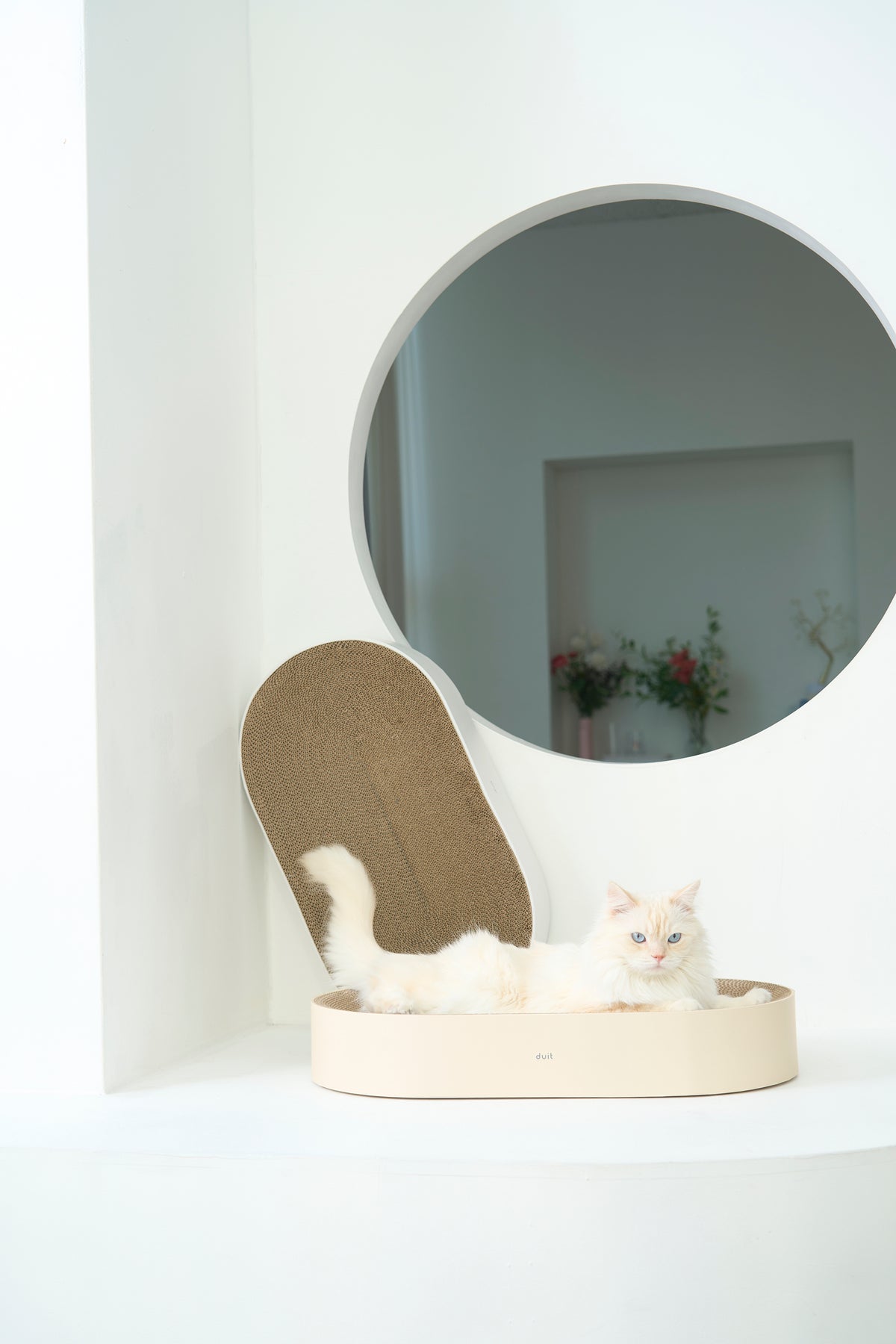
A scratcher nearby gives your cat a place to stretch after play. The Cat Essentials Set pairs the All Day Cat Scratcher with the Illu Cat Brush in Black and two Illu Mouse toys in the colors you choose.
Safe Play Habits and When to Call the Vet
- Put wand toys away after play. Strings and ribbons can be dangerous if swallowed.
- Supervise play and replace toys that become worn or damaged.
- Use toys, not hands or feet, so your cat does not learn that skin is a target.
- If your cat is overweight, older or has a health condition, ask your vet how much activity is right before you add more.
Call your vet if your cat suddenly loses interest in play, seems unusually tired, limps or moves stiffly, breathes with an open mouth after light activity, or gains or loses weight without a clear reason. These changes can be early signs of a health problem worth checking.
Shop the post
- Illu Mouse Catnip Toy (White, Gray, Brown) — $10
- Bonbon Wand . Ivory — $15
- Anchovy Wool Catnip Cat Toy (Cloud Gray) — $18
- Cat Essentials Set — Scratcher, Brush & 2 Mice — $99
Browse more cat toys for your next play session.
Enjoy free shipping on orders over $75 to the continental U.S. on most items.